https://www.mura.org/wp-content/uploads/2019/02/brandon-muramatsu-2-1.png00Brandon Muramatsuhttps://www.mura.org/wp-content/uploads/2019/02/brandon-muramatsu-2-1.pngBrandon Muramatsu2021-11-28 00:27:222021-11-28 00:42:56Recap of the Big Things I did at work in 2020-2021
https://www.mura.org/wp-content/uploads/2019/02/brandon-muramatsu-2-1.png00Brandon Muramatsuhttps://www.mura.org/wp-content/uploads/2019/02/brandon-muramatsu-2-1.pngBrandon Muramatsu2020-07-04 11:17:312020-07-30 17:53:38Recap of the Big Things I did at work in 2019-2020
https://www.mura.org/wp-content/uploads/2019/02/brandon-muramatsu-2-1.png00Brandon Muramatsuhttps://www.mura.org/wp-content/uploads/2019/02/brandon-muramatsu-2-1.pngBrandon Muramatsu2020-07-04 10:51:022020-07-04 11:24:13Recap of the Big Things I did at work in 2018-2019
https://www.mura.org/wp-content/uploads/2019/02/brandon-muramatsu-2-1.png00Brandon Muramatsuhttps://www.mura.org/wp-content/uploads/2019/02/brandon-muramatsu-2-1.pngBrandon Muramatsu2019-01-15 09:06:592020-07-04 11:26:00Recap of the Big Things I did at work in 2017-2018
https://www.mura.org/wp-content/uploads/2015/05/logo-sei-672x79.png79672Brandon Muramatsuhttps://www.mura.org/wp-content/uploads/2019/02/brandon-muramatsu-2-1.pngBrandon Muramatsu2017-07-31 09:00:282020-07-04 11:26:27Recap of the Big Things I did at work in 2016-2017
https://www.mura.org/wp-content/uploads/2015/05/logo-sei-672x79.png79672Brandon Muramatsuhttps://www.mura.org/wp-content/uploads/2019/02/brandon-muramatsu-2-1.pngBrandon Muramatsu2015-07-10 14:14:302019-01-15 08:38:54Recap of the Big Things I did at work in 2014-2015
https://www.mura.org/wp-content/uploads/2015/05/logo-sei-672x79.png79672Brandon Muramatsuhttps://www.mura.org/wp-content/uploads/2019/02/brandon-muramatsu-2-1.pngBrandon Muramatsu2014-10-31 14:24:362019-01-15 08:45:16Recap of the Big Things I did at work in 2013-2014
https://www.mura.org/wp-content/uploads/2008/12/logo-oeit.png106672Brandon Muramatsuhttps://www.mura.org/wp-content/uploads/2019/02/brandon-muramatsu-2-1.pngBrandon Muramatsu2013-12-30 20:48:302016-12-22 20:59:06Recap of the Big Things I did at work in 2012-2013
We may request cookies to be set on your device. We use cookies to let us know when you visit our websites, how you interact with us, to enrich your user experience, and to customize your relationship with our website.
Click on the different category headings to find out more. You can also change some of your preferences. Note that blocking some types of cookies may impact your experience on our websites and the services we are able to offer.
Essential Website Cookies
These cookies are strictly necessary to provide you with services available through our website and to use some of its features.
Because these cookies are strictly necessary to deliver the website, refuseing them will have impact how our site functions. You always can block or delete cookies by changing your browser settings and force blocking all cookies on this website. But this will always prompt you to accept/refuse cookies when revisiting our site.
We fully respect if you want to refuse cookies but to avoid asking you again and again kindly allow us to store a cookie for that. You are free to opt out any time or opt in for other cookies to get a better experience. If you refuse cookies we will remove all set cookies in our domain.
We provide you with a list of stored cookies on your computer in our domain so you can check what we stored. Due to security reasons we are not able to show or modify cookies from other domains. You can check these in your browser security settings.
Google Analytics Cookies
These cookies collect information that is used either in aggregate form to help us understand how our website is being used or how effective our marketing campaigns are, or to help us customize our website and application for you in order to enhance your experience.
If you do not want that we track your visit to our site you can disable tracking in your browser here:
Other external services
We also use different external services like Google Webfonts, Google Maps, and external Video providers. Since these providers may collect personal data like your IP address we allow you to block them here. Please be aware that this might heavily reduce the functionality and appearance of our site. Changes will take effect once you reload the page.
Google Webfont Settings:
Google Map Settings:
Google reCaptcha Settings:
Vimeo and Youtube video embeds:
Other cookies
The following cookies are also needed - You can choose if you want to allow them:
Privacy Policy
You can read about our cookies and privacy settings in detail on our Privacy Policy Page.


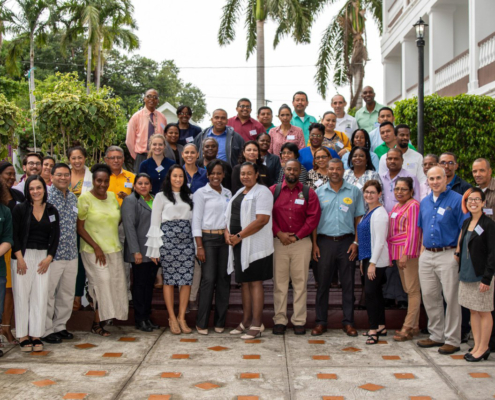 Source: Brandon Muramatsu
 Source: MIT
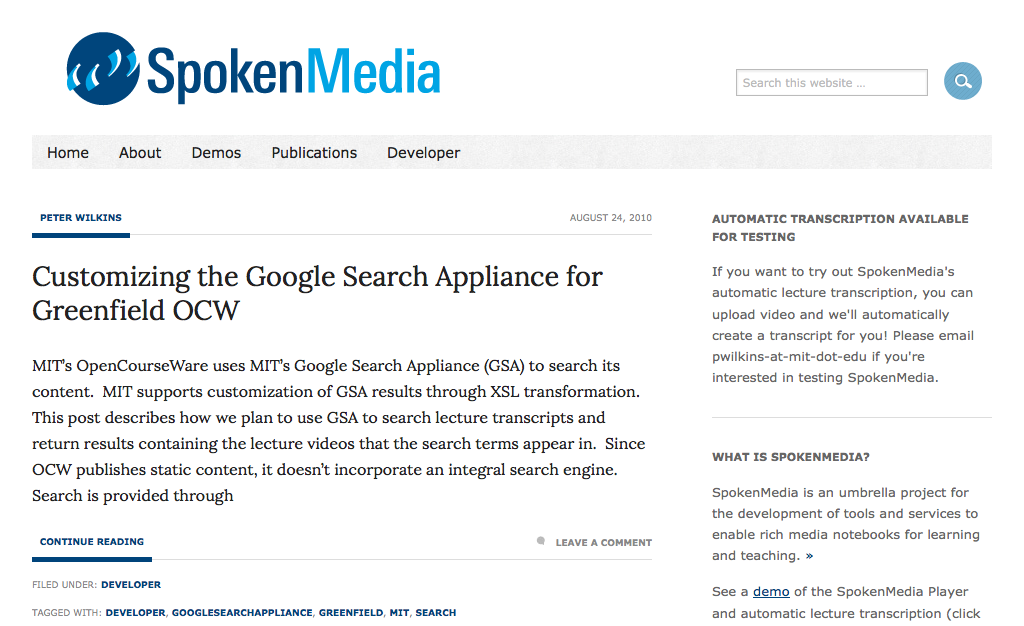 Source: Brandon Muramatsu